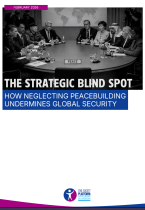
The Strategic Blind Spot: How Neglecting Peacebuilding Undermines Global Security
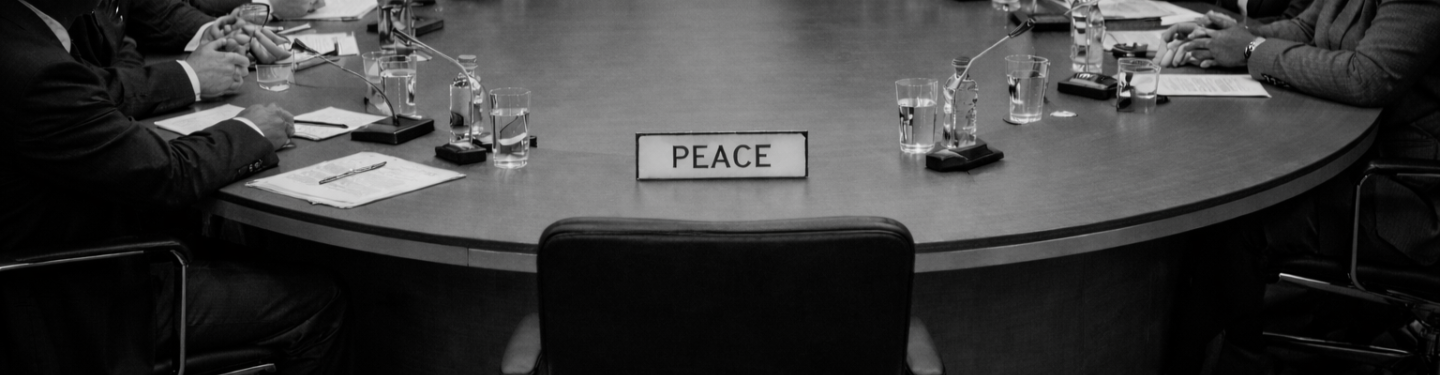
At a time of mounting geopolitical tensions, record levels of military spending, and a growing number of violent conflicts, one critical question continues to be sidelined: where is peacebuilding in our security strategies?
Today, we are releasing our latest policy paper, The Strategic Blind Spot: How Neglecting Peacebuilding Undermines Global Security, which examines the consequences of the widening gap between defence investments and support for peacebuilding, conflict prevention, and diplomacy.
As governments across the West significantly increase defence budgets, investments in peacebuilding and preventive approaches continue to shrink. This imbalance is not neutral. It is reshaping how security is understood and pursued, ultimately making the world more fragile rather than safer.
Based on extensive interviews with experts working across defence, development, and civil society sectors, the paper demonstrates how the growing dominance of “hard security” responses risks creating a dangerous illusion of protection, while neglecting the very tools that address the root causes of conflict and sustain long-term stability.
The paper issues a call to action:
- The peacebuilding community, to sharpen its narratives, strengthen alliances, and deepen political engagement
- Governing institutions, to treat prevention and dialogue as long-term security investments rather than optional add-ons
- Policymakers and funders, to rebalance security strategies and resource allocations
To consult a shorter version of the publication, read our two pager here.
You can read the full article below.