Advancing Women’s Rights Across the Globe, showcasing the work of CSPPS members (IWD 2026)
From countries that portray themselves as champions of democracy, freedom, and progress, to contexts where women are systematically erased from public life, women’s rights remain under constant and severe threats.
In the past year, diverging realities have defined the global women’s rights landscape: While in India, the Waqf (Amendment) Act 2025 ensures that muslim women get their rightful share of inheritance, financial support and a stronger role in managing properties; in Afghanistan, women have been denied their most fundamental rights: from education and employment to participation in public life. While Italy recognises feminicide as a distinctive crime with mandatory life imprisonment for gender-motivated killings of women, pregnant immigrants under 18 in the United States of America are moved to the Federal State of Texas to deny them access to abortion. The forms of regression differ.
While these contexts vary, the outcome is strikingly similar: exclusion, silencing, and control.
No society, community, or nation is immune. Women’s rights are not a local nor regional issue. They are a global and societal concern.
Gender equality strengthens institutions, communities, and peace processes for all. When women’s rights are undermined, democratic systems weaken. When women are excluded, peace becomes less sustainable.
In a world where women’s rights are under severe threat, our CSPPS members refuse to stand still.
Every day, they work to ensure women’s meaningful inclusion in peace processes, conflict prevention, and political decision-making. They challenge exclusion not only out of principle, but also through concrete practical action. They build spaces where women’s voices are not symbolic, but influential. They transform peacebuilding from a rhetoric of inclusion into a reality of participation.
Discover their work:
Afghanistan – Afghans for Progressive Thinking (APT)
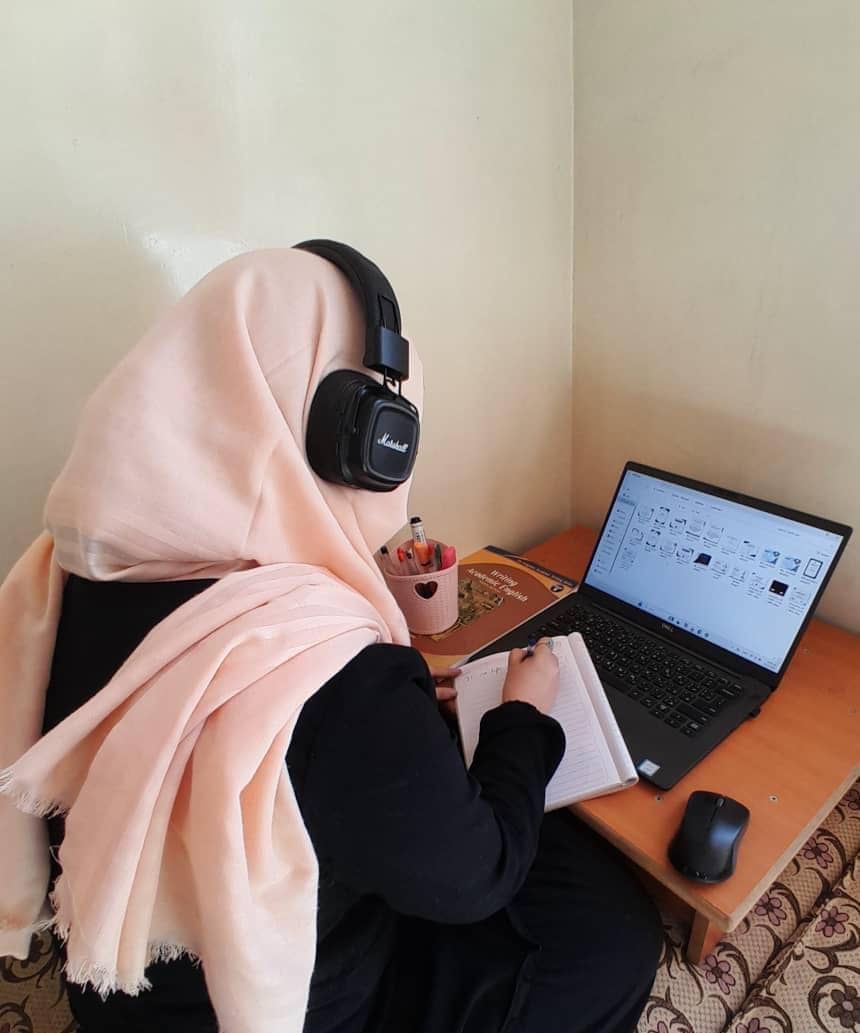
In Afghanistan, Afghans for Progressive Thinking (APT) empowers young women to reclaim their voices through storytelling and reclaiming narratives that have long been suppressed. Through their Creative Writing Program, women and girls learn how to use their voice and experiences to create compelling narratives and raise awareness about the reality in their country - their words becoming tools for justice, healing, and hope.
Through poetry, letters, journal entries, and short stories, Afghan girls and women offer a powerful and intimate account of daily life under growing restrictions. Through these writings, contributors reflect on loss, resilience, hope, and their aspirations for the future - at a time when women’s voices and spaces for expression in Afghanistan continue to shrink. By documenting lived experiences in women’s own words, APT’s publication seeks to ensure that their stories are not erased, silenced, or forgotten.
Read some of their latest publications here:
- Journals of Girls in Afghanistan
- Short Tales by Girls in Afghanistan
- Non-Fiction Narrative
- Poems and Letters from Girls in Afghanistan
To learn more about APT, visit their website Afghans for Progressive Thinking
Bénin – RAMP-Bénin
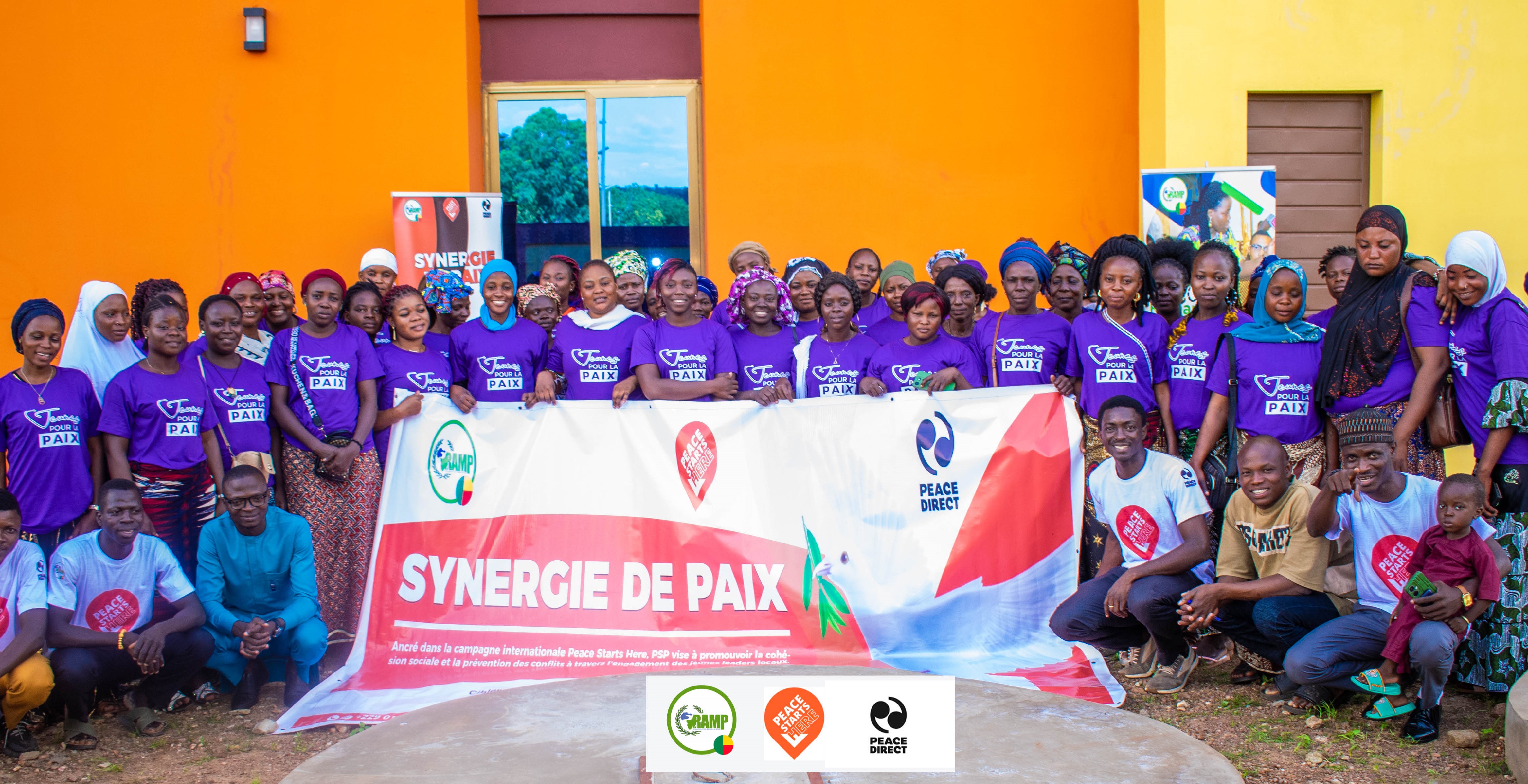
In Benin, le Réseau Africain pour le Maintien de la Paix (RAMP-BÉNIN) actively works to promote women's rights in the country, their economic empowerment, their safety and security, and their civic leadership. The organisation leads several initiatives, including a campaign on women's access to land in order to strengthen their autonomy and prevent conflicts related to local governance. It also develops initiatives to build resilience to improvised explosive devices (IEDs), combat cyberviolence, and promote digital rights. Through its actions on illicit flows and the strengthening of AGRs, RAMP-BÉNIN contributes to a more inclusive, secure, equitable, and peaceful Benin.
To learn more about these initiatives:
- Accès des femmes au foncier
- L’Agenda sur les Femmes, Paix et Sécurité : Un Engagement pour un Monde Plus Équitable
- Atelier de formation sur le leadership féminin et la lutte contre la criminalité transnationale
Burundi – Réseau Femme et Paix
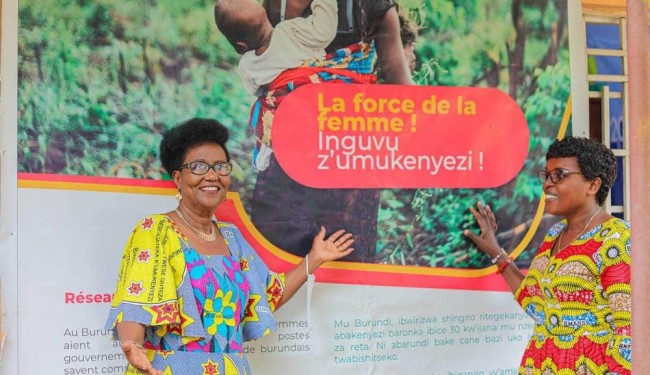
In Burundi, Réseau Femme et Paix support women’s meaningful participation in decision-making and political processes in the country through the project “Bakenyezi, Dukenyerere Amahoro” (“Women, let’s consolidate peace”). Through the initiative, they strengthen the institutional capacity of six networks of local women’s associations, enabling them to operate and manage their activities more effectively. These networks collectively represent 3,562 women, including native residents, repatriated individuals, and internally displaced women, fostering inclusive engagement in peacebuilding and governance efforts.
To learn more about Réseau Femme et Paix, read their story: Réseau Femmes et Paix: a new impetus for gender equality in Burundi

Cameroon– Aldepa
In Cameroon, Aldepa supports the Platform of Women for Peace in Cameroon, which unites 70 women’s organisations to highlight women’s critical role in peacebuilding. A national convention mobilised over 1,500 women, resulting in a peace declaration submitted to the government advocating for women’s inclusion in peace processes. Participants also conducted a peace negotiation simulation to demonstrate their contributions to conflict resolution. The initiative further trained women community mediators as peace ambassadors to support conflict prevention and management, including working with youth to discourage recruitment by non-state armed groups.
To learn more about ALDEPA, visit their website: ALDEPA
Liberia – Platform for Dialogue and Peace
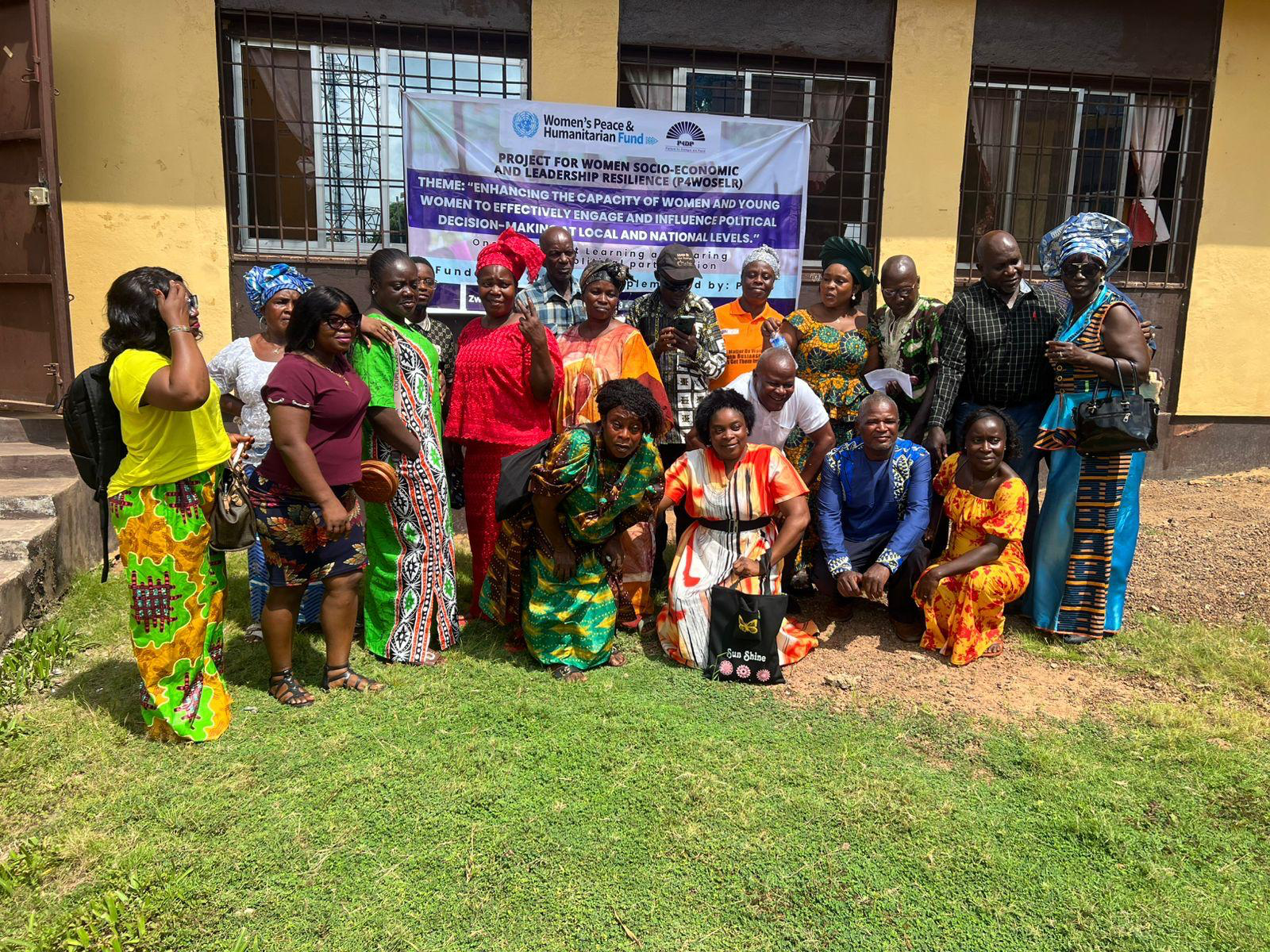
In Liberia, the Platform for Dialogue and Peace strengthens women’s economic empowerment and leadership as a pathway to sustainable peace in the country through the Project for Women Socio-Economic Leadership and Resilience (P4WOSELR). Implemented through different counties, the initiative supports women through small enterprise development, savings groups, Peace Mother Clubs, and young women’s leadership platforms. By strengthening livelihoods and grassroots leadership, women become key agents of stability—mediating local conflicts, challenging harmful norms, and fostering inclusive dialogue. Supported by the Women’s Peace and Humanitarian Fund (WPHF) and guided by UN Women, the project demonstrates how women’s economic resilience contributes directly to community peace, social cohesion, and long-term recovery.
To learn more about the Platform for Dialogue and Peace you can visit their website P4DP or follow them on their Facebook page.
Lebanon– Tiro Association for Arts (TAA)
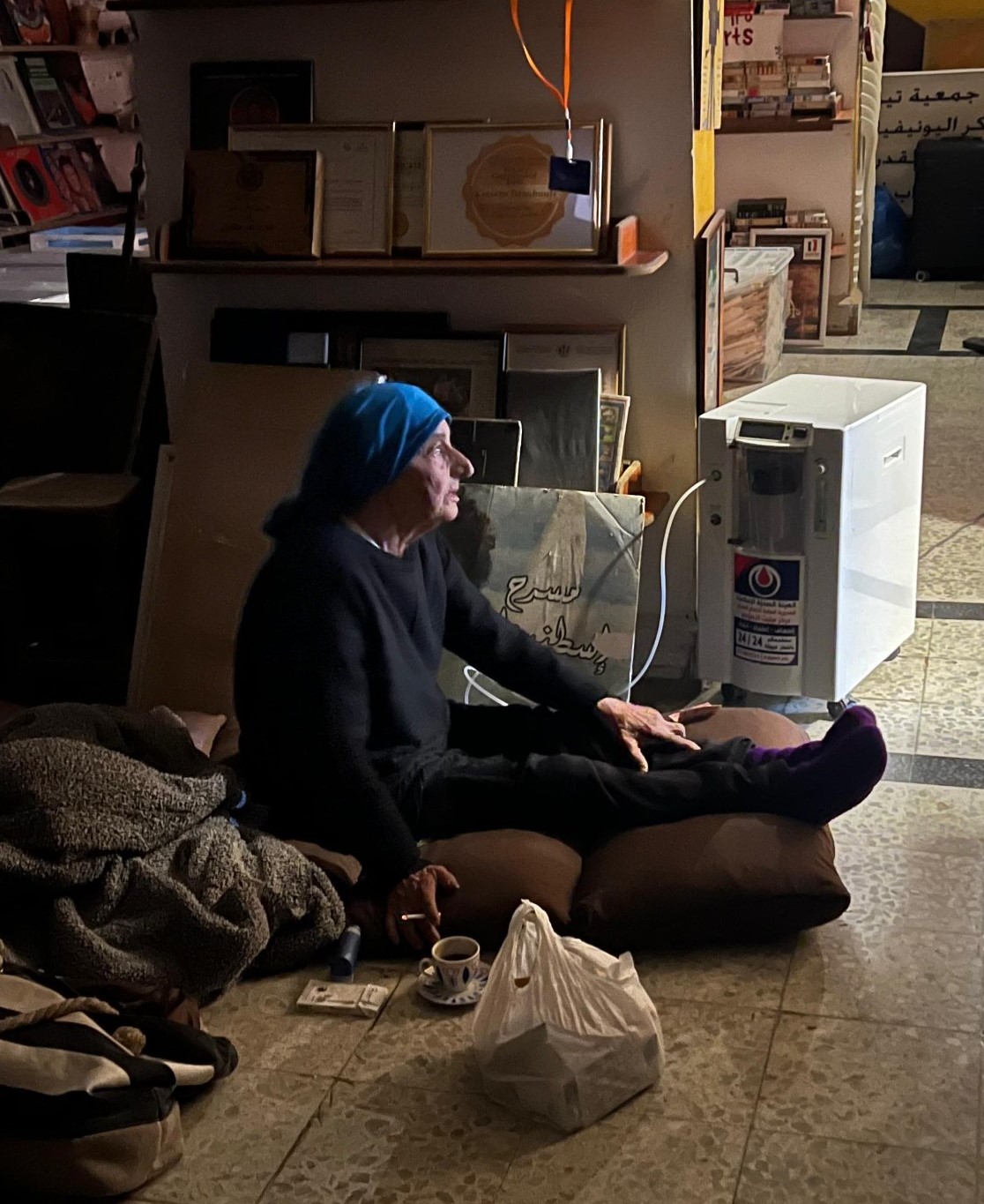
In Lebanon, Tiro Association for Arts (TAA) engages local communities through culture and the arts, leveraging creative expression as a form of resistance against both violence and social decay. Through the transformative power of art, TAA uplift women and individuals facing difficulties. In the current context of conflict, social, political, and economic crisis in Lebanon and the Gulf region, women are disproportionately affected, experiencing forced displacement, homelessness, psychological stress, violence, and unemployment. Many are left to sleep in their vehicles, fleeing traumatic situations and living in insecurity. In this context, Tiro Association for Arts provides shelter, support, and day programs specifically for displaced women. Artistic and soft skills workshops held in cinemas offer therapeutic support, mindfulness, and breathing techniques for emotional management. “Tiro Association for Arts is dedicated to never abandoning the community of women that raised us, needs us, and trusts us. This is our path and our mission. We rise by lifting others.”
To learn more about TAA, visit their website: Tiro Association for Arts
The Netherlands– Cordaid
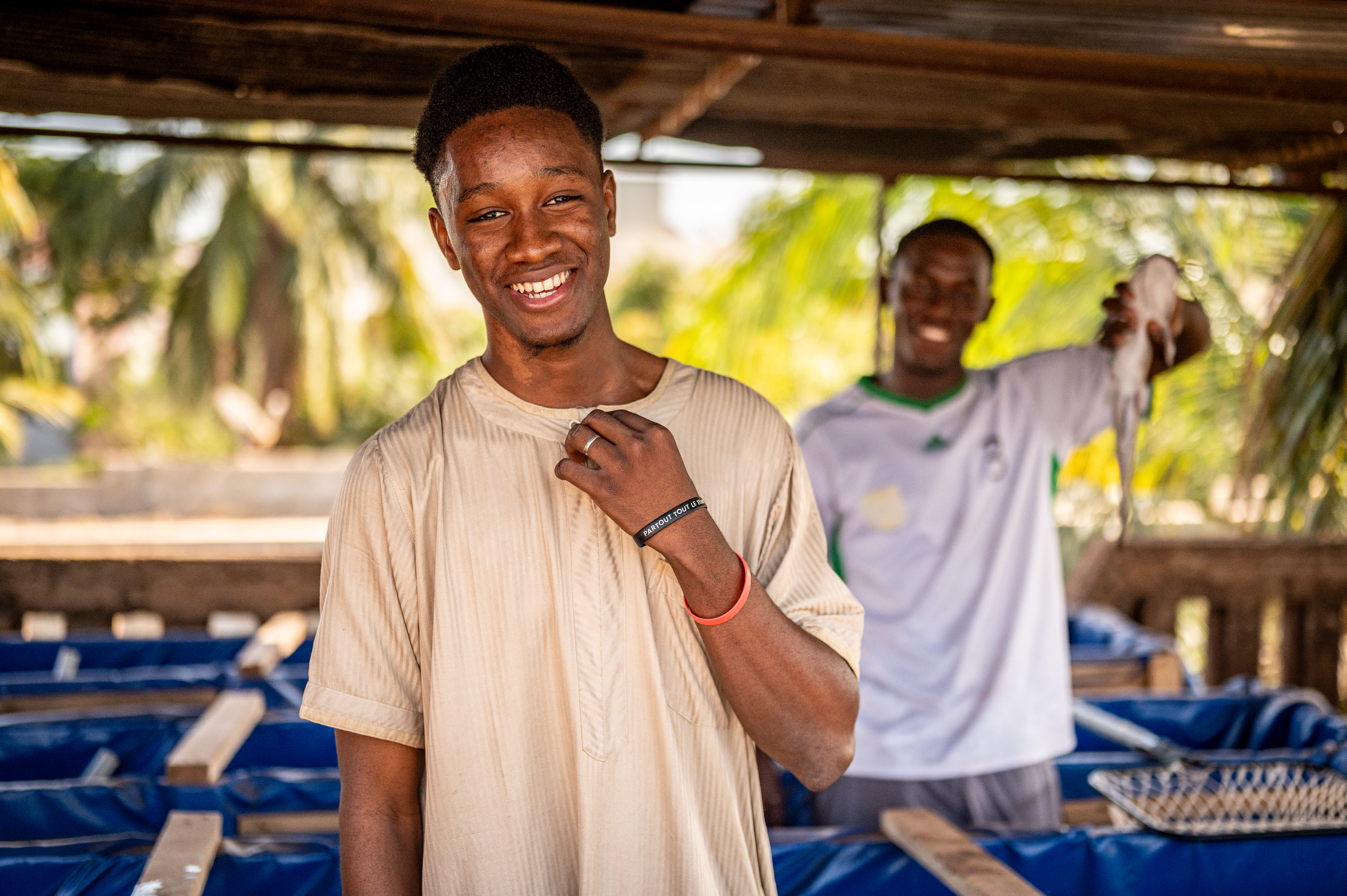
In the Netherlands, Cordaid works to understand how harmful forms of masculinity undermine peacebuilding, health, and gender equality, while highlighting the transformative potential of positive alternatives. Drawing on field experiences in the Democratic Republic of Congo, Mali, CAR, and Burundi, their research demonstrates how engaging men and boys can reduce violence, improve sexual and reproductive health outcomes, and strengthen inclusive peace processes. Their paper calls for gender-transformative, trauma-informed, and intersectional approaches that start early and promote shared responsibility; redefining strength as cooperation, respect, and accountability to build more equitable and resilient societies.
To read the full position paper: Rewriting the Script: Why Positive Masculinities Matter for Peace and Equality
Discover other initiatives of Cordaid to advance Gender Equity across the world :
Credit photo: Michael Franci - Cordaid
Panama– Global Shapers Panama City
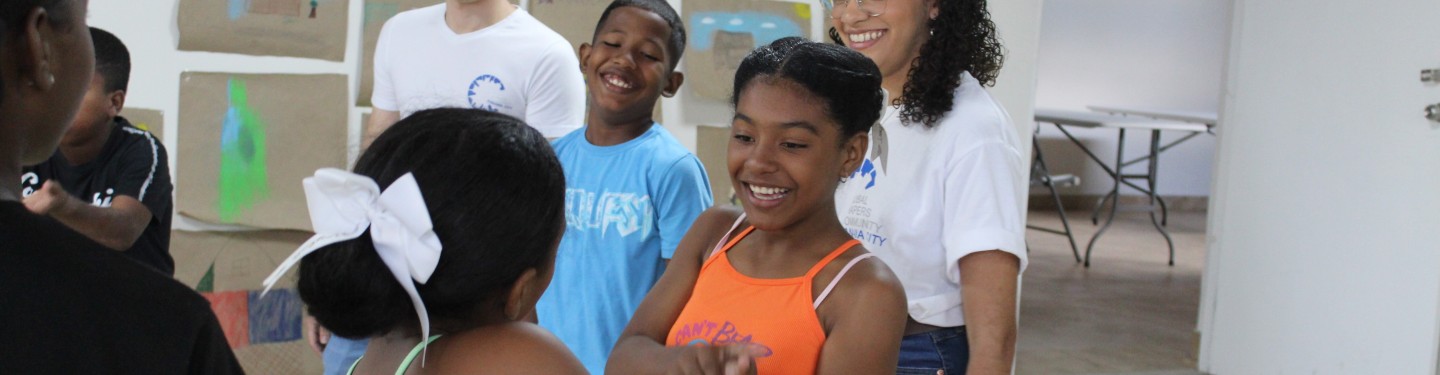
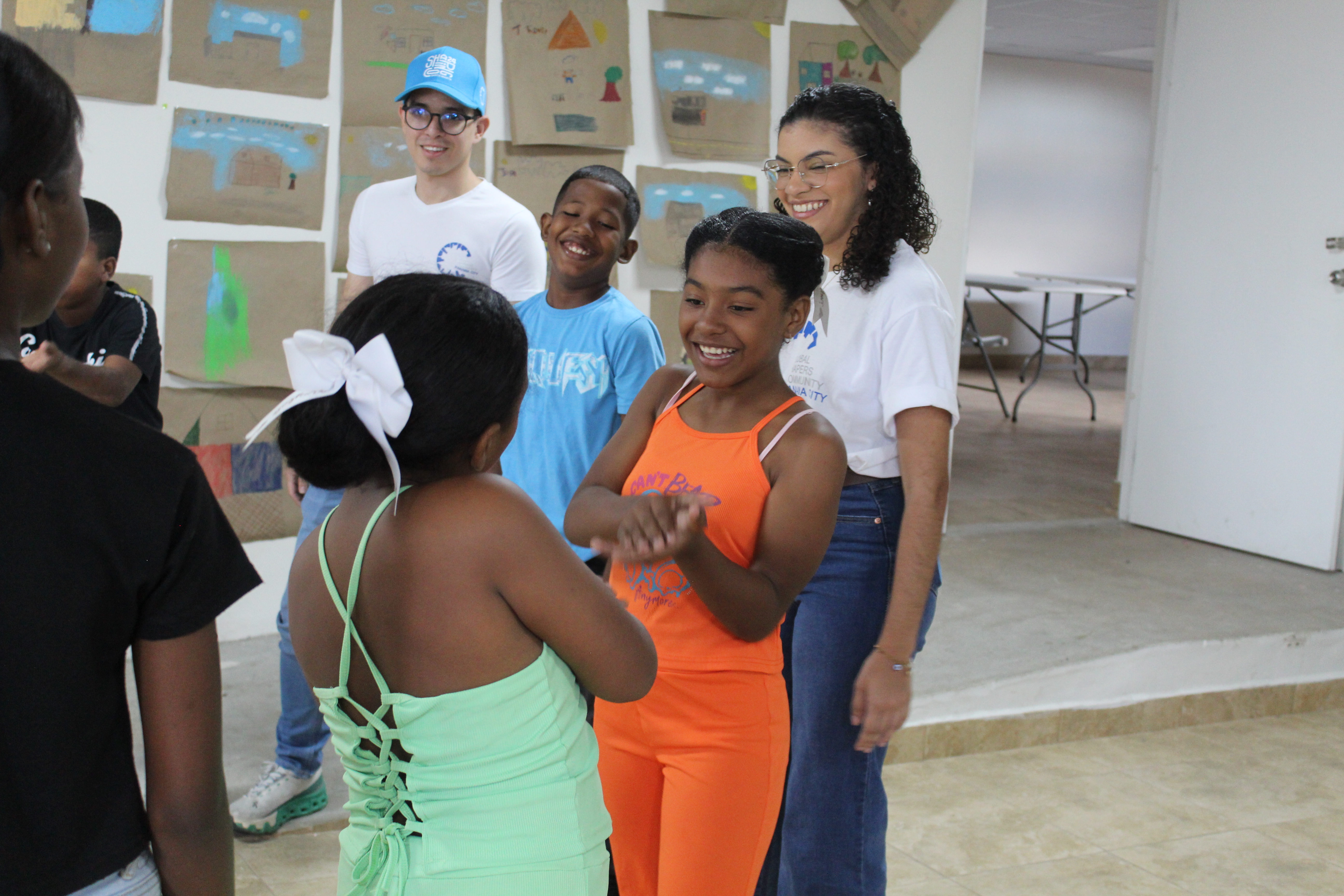
In Panama, Global Shaper Panama City, through their project Buen Pelao, transforms lives in Juan Díaz through art, theatre, and enriching outdoor experiences as tools for peace. For the girls in the community, this space is far more than activities: it is a place where paintbrushes, movement, and their own voices become pathways to discover their identity, strengthen their self-esteem, and connect with their community through creativity and empathy. Mothers and caregivers also find in Buen Pelao a source of strength. While their children develop socioemotional skills in a safe environment, caregivers gain time and support for themselves, building peer networks that nurture their own well-being. Together, girls and caregivers discover that peace is born in the hands that create, the voices that speak up, and the hearts that refuse to stop dreaming.
To learn more about Global Shaper Panama:
- Visit their website: Global Shapers Panama City
- Follow them on Social Media: @globalshaperspanama
- Learn more about the Buan Pelao Project: Buen Pela'o Project
Sierra Leone– Youth Partnership for Peace and Development (YPPD)
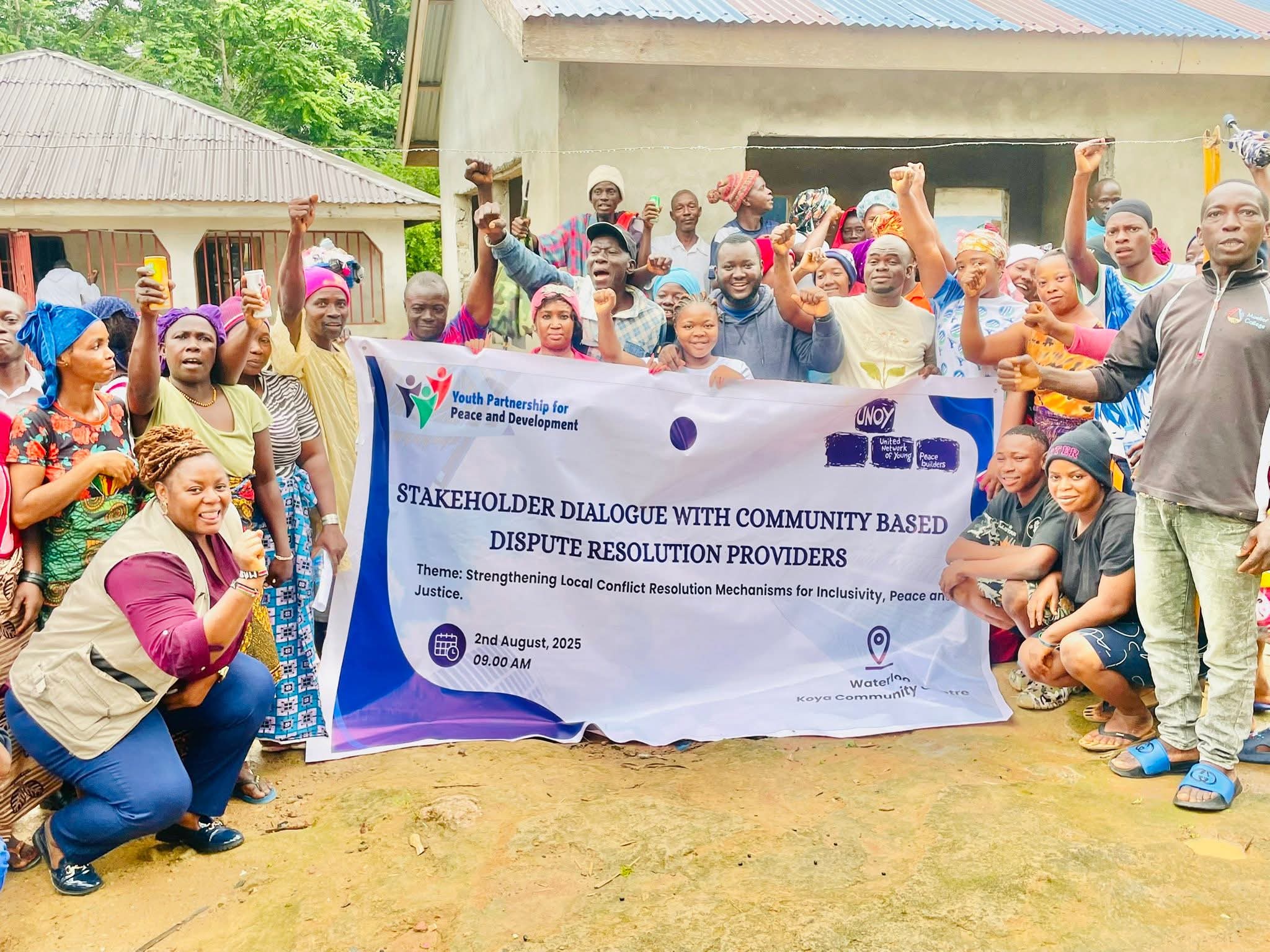
In Sierra Leone, Youth Partnership for Peace and Development (YPPD) advances the principles of UNSCR 1325 on Women, Peace and Security by strengthening women’s meaningful participation in conflict prevention and local peace processes through their project: Empowering Women and Youth for Inclusive Conflict Prevention and Peacebuilding. In a context marked by land disputes, youth-related tensions, and family conflicts, the project creates safe platforms for dialogue where women and young people actively engage with traditional leaders and community stakeholders. Through capacity-building on mediation, women’s rights, and inclusive decision-making, the initiative challenges exclusionary norms and promotes gender-responsive conflict resolution. Women are supported to take leadership roles in community peace committees, advocate for equitable land and social justice, and foster intergenerational collaboration. By amplifying women’s voices and reinforcing their role as peacebuilders, the project contributes to sustainable peace, social cohesion, and inclusive governance in the city of Waterloo.
To learn more about their work, visit their website, Youth Partnership for Peace and Development,Facebook page or LinkedIn.
Somalia- IIDA
In Somalia, IIDA Women’s Development Organization advances women’s rights and gender equality in Somalia by strengthening women’s leadership, protecting women and girls from violence, and supporting women affected by conflict and displacement. The organisation promotes women’s participation in governance, peacebuilding, and decision-making through leadership development, civic engagement, and policy advocacy. IIDA also works with women returnees and internally displaced communities, supporting their protection, access to services, and socio-economic reintegration. Through its programmes across Somalia, IIDA expands opportunities for women’s leadership while promoting peace, inclusion, and social cohesion.
To learn more about IIDA, read their story: Conflict, Climate Change and COVID-19: The Complexities of Somalia
South Sudan – EVE Organization for Women Development
When women lead, peace takes root.
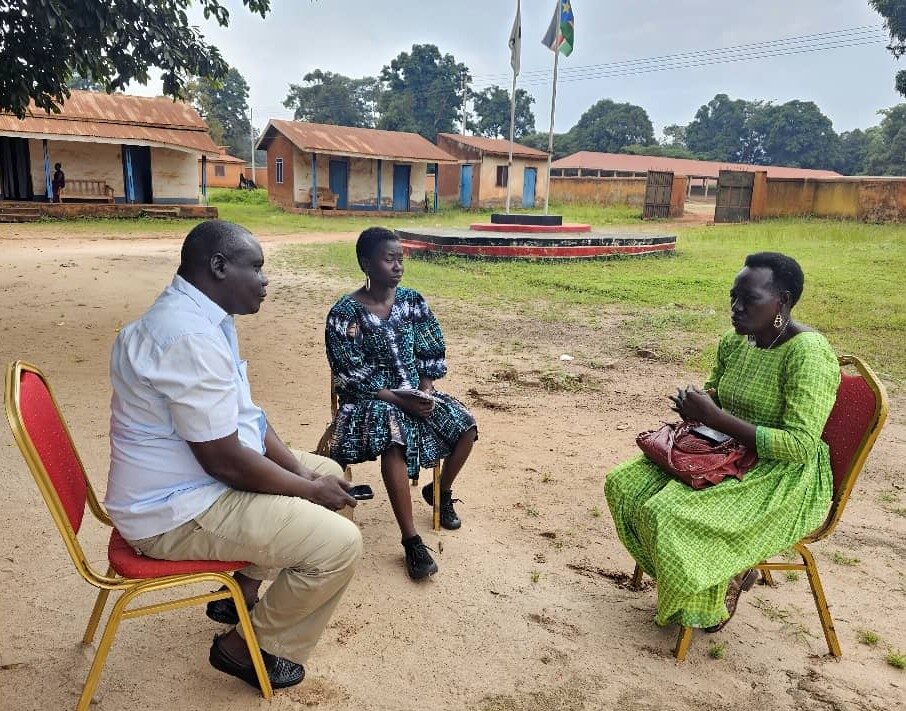
In South Sudan, in Western Equatoria State, EVE Organization for Women Development supports women in Yambio breaking long-standing barriers and stepping into leadership positions once considered out of reach. With the support of EVE, women have gained the skills, confidence, and community backing to serve as local chiefs, parliamentarians, and community leaders. Through leadership training, mentorship, and community dialogues grounded in the Women, Peace and Security agenda, EVE is transforming mindsets and strengthening women’s meaningful participation in governance and peacebuilding. These women are not only influencing decisions that shape their communities, but are also inspiring younger generations to envision themselves in positions of authority and impact. Their leadership demonstrates that “Women leaders in Yambio take part in a community dialogue organised by EVE” strengthens the visual connection.
To read the full story: Women Step into Leadership Positions in Yambio
To discover more about their work, visit their website: EVE South Sudan
To learn more about Women, Peace and Security:
To learn more about the work of the Platform, follow CSPPS on Social Media.